


Top 100 Restaurant Health Violations
Table of Contents
ToggleIdentify the most common temperature, cross-contamination, employee-hygiene, sanitation, grease, equipment, pest, facility, waste, and documentation deficiencies before they become repeat inspection problems.
Could Hidden Violations Put Your Next Inspection at Risk?
Complete the Restaurant Health Inspection Readiness Calculator to review food temperatures, employee hygiene, kitchen sanitation, hood conditions, pest prevention, equipment maintenance, documentation, and facility risks.
Restaurant Health Violations Usually Build Over Time
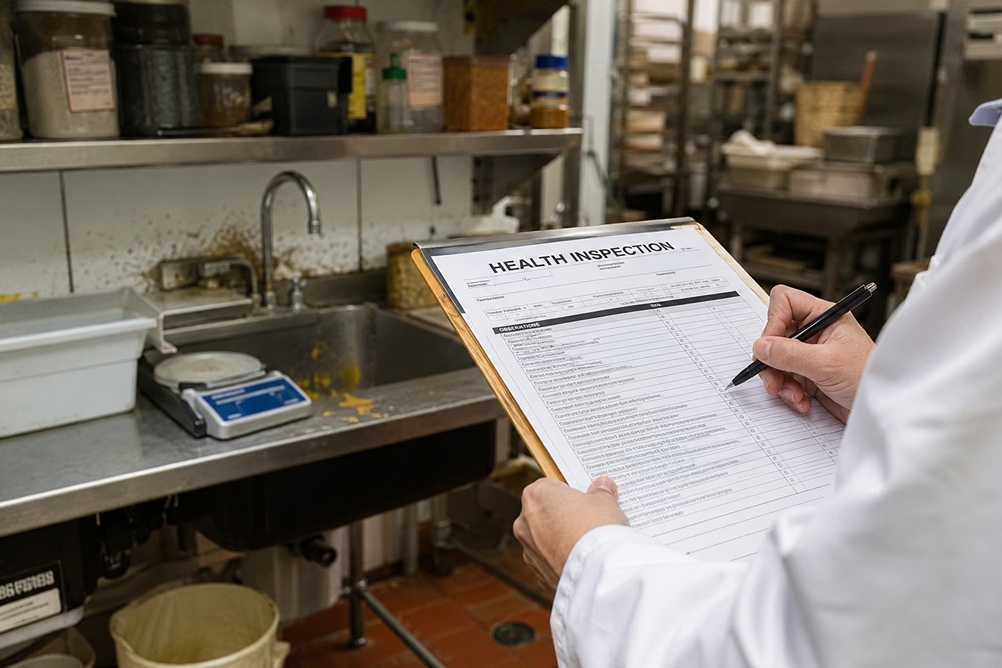
Restaurant health violations are among the leading causes of failed inspections, corrective-action notices, temporary closures, and increased operational risk.
Most deficiencies develop through inconsistent cleaning, poor food handling, inadequate employee training, insufficient preventive maintenance, or neglected commercial-kitchen sanitation.
Understanding recurring violations allows restaurant owners, kitchen managers, facility managers, and food-service operators to identify risks before they become inspection deficiencies.
What Are Restaurant Health Violations?
Restaurant health violations are conditions or operational practices that fail to comply with applicable food-safety, sanitation, employee-hygiene, facility-maintenance, or operational requirements enforced during restaurant health inspections.
Why Restaurant Health Violations Matter
Browse the Top 100 Violations by Category
Use this index to move directly to the inspection category relevant to your operation.
Category 1 — Food Temperature Violations
10 inspection deficiencies organized for faster review and staff training.
Improper Cold Holding Temperatures
Refrigerated foods stored above required cold-holding temperatures.
Improper Hot Holding Temperatures
Cooked food maintained below safe hot-holding temperatures.
Improper Cooling Procedures
Cooked food not cooled within required timeframes.
Improper Reheating
Previously cooked food not reheated to required temperatures.
Inaccurate Thermometers
Missing, damaged, or improperly calibrated thermometers.
Refrigeration Temperature Failures
Commercial refrigerators operating outside safe temperature ranges.
Freezer Temperature Violations
Frozen food stored at temperatures that compromise product quality.
Missing Temperature Logs
Failure to document refrigeration and cooking temperatures.
Food Left in Temperature Danger Zone
Food held too long between safe hot and cold temperatures.
Improper Food Thawing
Unsafe thawing procedures that increase contamination risk.
Category 2 — Cross-Contamination Violations
10 inspection deficiencies organized for faster review and staff training.
Raw Meat Stored Above Ready-to-Eat Food
Improper storage hierarchy increases contamination risk.
Shared Cutting Boards
Using the same cutting board without proper sanitation.
Shared Food Preparation Equipment
Equipment used for multiple food types without cleaning.
Improper Utensil Storage
Clean utensils exposed to contamination.
Cross-Contact During Food Preparation
Ready-to-eat food prepared alongside raw ingredients.
Dirty Food Contact Surfaces
Preparation surfaces not adequately cleaned between uses.
Contaminated Food Containers
Containers reused without proper sanitation.
Improper Storage of Cooked Food
Cooked products exposed to raw food contamination.
Employee Cross-Contamination
Employees handling raw and ready-to-eat foods without changing gloves or washing hands.
Improper Chemical Storage Near Food
Cleaning chemicals stored close to food preparation areas.
Category 3 — Employee Hygiene Violations
10 inspection deficiencies organized for faster review and staff training.
Inadequate Handwashing
Employees failing to wash hands at required times.
Missing Handwashing Supplies
Soap, paper towels, or warm water unavailable.
Improper Glove Use
Gloves reused, torn, or worn incorrectly.
Employee Illness Reporting Failures
Employees working while experiencing reportable symptoms.
Poor Personal Hygiene
Unclean uniforms, uncovered hair, or practices that increase contamination risk.
Uncovered Hair During Food Preparation
Employees preparing food without approved hair restraints.
Eating or Drinking in Food Preparation Areas
Personal food and beverages stored or consumed in production areas.
Jewelry Worn During Food Handling
Excessive jewelry that may contaminate food or interfere with proper handwashing.
Improper Glove Changes
Employees failing to replace gloves after changing tasks or handling contaminated items.
Bare-Hand Contact with Ready-to-Eat Foods
Direct hand contact with foods intended for immediate consumption without approved procedures.
Category 4 — Handwashing Station Violations
10 inspection deficiencies organized for faster review and staff training.
Handwashing Sink Blocked
Equipment, boxes, or utensils preventing immediate access.
Handwashing Sink Used for Food Preparation
Using designated handwashing sinks for other operational purposes.
No Running Hot Water
Handwashing sinks lacking an adequate hot water supply.
No Soap Available
Soap dispensers empty or missing.
No Paper Towels or Drying Method
Employees unable to properly dry hands after washing.
Handwashing Sign Missing
Required employee handwashing reminder not displayed.
Handwashing Sink Used for Equipment Washing
Improper use of designated handwashing facilities.
Dirty Handwashing Sink
Sink contaminated with food residue, grease, or debris.
Poor Handwashing Compliance
Employees skipping required handwashing between tasks.
Inaccessible Handwashing Station
Storage, carts, or equipment restricting access.
Category 5 — Food Storage Violations
10 inspection deficiencies organized for faster review and staff training.
Food Stored on the Floor
Food containers placed directly on the floor instead of approved shelving.
Missing Date Labels
Prepared foods lacking preparation or expiration dates.
Expired Food Products
Food retained beyond approved storage periods.
Improper FIFO Rotation
Failure to follow First-In, First-Out inventory procedures.
Uncovered Food Containers
Food exposed to airborne contamination.
Damaged Food Packaging
Packages allowing contamination or product deterioration.
Raw and Ready-to-Eat Foods Stored Together
Improper organization increasing cross-contamination risk.
Improper Dry Storage Conditions
Food stored in damp, dirty, or poorly ventilated areas.
Chemicals Stored with Food
Cleaning agents or pesticides stored near food products.
Overloaded Refrigeration Units
Improper air circulation preventing consistent temperature control.
Category 6 — Cleaning and Sanitizing Violations
10 inspection deficiencies organized for faster review and staff training.
Food-Contact Surfaces Not Sanitized
Preparation tables, cutting boards, or counters not sanitized after cleaning.
Incorrect Sanitizer Concentration
Sanitizer mixed too weak or too strong for effective use.
Dirty Wiping Cloths
Reusable cloths containing grease, food residue, or bacteria.
Improper Sanitizer Storage
Sanitizing solutions stored improperly or left uncovered.
Dirty Dishwashing Equipment
Commercial dishwashers containing grease, scale, or food residue.
Improper Air Drying
Clean dishes stacked before completely drying.
Dirty Ice Machines
Ice machine interiors contaminated with mold, slime, or mineral buildup.
Food Residue on Small Equipment
Knives, utensils, mixers, slicers, or food processors not thoroughly cleaned.
Improper Cleaning Schedule
Failure to follow documented cleaning frequencies.
Failure to Verify Sanitizing Procedures
No routine testing or verification of sanitizer effectiveness.
Category 7 — Commercial Kitchen Cleaning Violations
10 inspection deficiencies organized for faster review and staff training.
Heavy Grease Accumulation on Cooking Equipment
Grease buildup affecting sanitation and equipment performance.
Dirty Kitchen Floors
Grease, food debris, or standing liquids creating sanitation and safety hazards.
Unsanitary Floor Drains
Floor drains containing food residue, grease, odors, or biological growth.
Dirty Kitchen Walls
Walls coated with grease, splash residue, or accumulated dust.
Ceiling Contamination
Dust, grease, condensation, or peeling materials above food preparation areas.
Dirty Shelving
Storage shelves containing dust, grease, or food residue.
Equipment Not Pulled Out for Cleaning
Grease and debris accumulating beneath cooking equipment.
Dirty Walk-In Cooler Floors
Standing water, mold, food residue, or grease inside refrigeration units.
Improper Storage Room Sanitation
Dirty storage areas increasing contamination risks.
Failure to Perform Commercial Kitchen Deep Cleaning
Lack of scheduled professional cleaning resulting in long-term contamination buildup.
Category 8 — Hood Cleaning and Grease Violations
5 inspection deficiencies organized for faster review and staff training.
Grease Accumulation Inside Hood Canopy
Visible grease deposits exceeding normal operational conditions.
Dirty Hood Filters
Filters clogged with grease restricting airflow.
Overflowing Grease Collection Containers
Grease cups not emptied or maintained.
Grease on Exterior Hood Surfaces
Grease residue visible on accessible hood components.
Lack of Routine Hood Cleaning
Failure to maintain scheduled professional hood cleaning appropriate for the cooking operation.
Category 9 — Equipment Maintenance Violations
10 inspection deficiencies organized for faster review and staff training.
Dirty Refrigeration Condensers
Dust and grease accumulation reducing refrigeration performance.
Damaged Food Preparation Equipment
Cracked or broken equipment creating contamination risks.
Leaking Refrigeration Units
Water leaks causing standing moisture and mold development.
Damaged Food Contact Surfaces
Cracked cutting boards, chipped containers, or deteriorated work surfaces.
Improper Equipment Calibration
Cooking or refrigeration equipment operating outside required specifications.
Broken Door Seals
Damaged refrigerator or freezer gaskets allowing temperature loss.
Poor Preventive Equipment Maintenance
Routine servicing not performed according to maintenance schedules.
Dirty Ice Scoops and Holders
Improper storage or sanitation of ice handling equipment.
Improper Equipment Storage
Portable equipment stored in unsanitary locations.
Non-Operational Safety Equipment
Equipment operating with damaged guards, switches, or safety controls.
Category 10 — Facility Maintenance, Pest Control, and Documentation Violations
15 inspection deficiencies organized for faster review and staff training.
Evidence of Rodent Activity
Droppings, nesting materials, or visible rodent activity.
Evidence of Insect Activity
Flies, cockroaches, ants, or other insects observed in food areas.
Standing Water
Water accumulation around equipment, drains, or storage areas.
Dirty Dumpster Areas
Grease buildup, food residue, or overflowing waste containers.
Improper Waste Storage
Garbage stored in open or damaged containers.
Damaged Floors
Cracked or deteriorated flooring that cannot be effectively cleaned.
Damaged Walls and Ceilings
Broken surfaces allowing dirt, moisture, or pest entry.
Poor Lighting in Food Preparation Areas
Insufficient illumination affecting safe food preparation.
Missing Cleaning Documentation
Cleaning schedules incomplete or unavailable.
Missing Temperature Records
Required food temperature monitoring logs not maintained.
Missing Employee Food Safety Training Records
Training documentation unavailable or outdated.
Missing Hood Cleaning Documentation
Professional hood cleaning records unavailable when requested.
Missing Pest Control Records
No documentation of scheduled pest management services.
Missing Equipment Maintenance Records
Preventive maintenance activities not documented.
Failure to Correct Previous Inspection Violations
Previously identified deficiencies remaining unresolved during follow-up inspections.
Professional Commercial Cleaning Reaches Beyond Daily Tasks
Routine employee cleaning focuses on visible surfaces and daily operational needs. Professional service addresses heavy grease, hidden contamination, equipment pull-out areas, floor drains, ceilings, hood components, and other difficult-access zones.
Restaurant Health Inspection Readiness Checklist
Consistent procedures are more reliable than last-minute preparation.
Daily Employee Cleaning vs. Professional Commercial Cleaning
| Daily Employee Cleaning | Professional Commercial Cleaning |
|---|---|
| Wipe food-contact surfaces | Complete commercial-kitchen deep cleaning |
| Sweep and mop floors | Heavy grease removal |
| Empty trash containers | Equipment degreasing |
| Clean sinks | Hood cleaning |
| Sanitize preparation tables | Kitchen-exhaust cleaning |
| Spot-clean equipment | Tile and grout restoration |
| Organize storage | Ceiling cleaning |
| Clean restrooms | Pressure washing and dumpster-pad cleaning |
Calculate Your Restaurant’s Inspection Readiness Score
Identify potential weaknesses before they become repeat inspection deficiencies.
Related Restaurant Compliance Resources
Restaurant Health Inspection Resource Center
Explore inspection categories, sanitation priorities, violations, and readiness resources.
ChecklistChicago Restaurant Health Inspection Checklist
Organize daily, weekly, monthly, and specialized restaurant inspection tasks.
Compliance GuideIllinois Health Code Explained
Review Illinois restaurant food-safety, sanitation, maintenance, and documentation concepts.
ServiceCommercial Kitchen Cleaning Chicago
Professional cleaning for equipment, floors, walls, ceilings, drains, and difficult-access areas.
ServiceRestaurant Hood Cleaning Chicago
Control grease accumulation throughout applicable hood and exhaust components.
Exterior CleaningRestaurant Exterior Cleaning Chicago
Clean entrances, sidewalks, loading areas, waste zones, pavement, and dumpster pads.
Restaurant Health Violation FAQs
What are the most common restaurant health violations?
The most frequently cited deficiencies involve improper food temperatures, cross-contamination, inadequate employee hygiene, dirty food-contact surfaces, grease accumulation, pest activity, improper storage, and incomplete cleaning procedures.
Which restaurant areas receive the greatest inspection attention?
Food-preparation stations, cooking equipment, refrigeration units, handwashing stations, hood systems, floor drains, walk-in coolers, waste-storage areas, and food-contact surfaces receive close attention.
Does commercial kitchen cleaning reduce health violations?
Professional commercial-kitchen cleaning removes grease, food residue, and contaminants from equipment, floors, drains, walls, ceilings, and difficult-access areas, supporting a cleaner and more inspection-ready facility.
Why is hood cleaning important?
Routine hood cleaning removes accumulated grease from commercial exhaust systems, helping maintain cleaner kitchens and supporting ventilation-system performance.
How can restaurants reduce recurring violations?
Use structured cleaning schedules, preventive maintenance, employee training, documented sanitation procedures, temperature monitoring, equipment servicing, pest-prevention measures, and scheduled professional cleaning.
Correct Grease, Sanitation, and Cleaning Problems Before They Become Repeat Violations
Clean Wash Remove provides commercial-kitchen cleaning, restaurant deep cleaning, hood cleaning, kitchen-exhaust cleaning, floor degreasing, tile and grout cleaning, dumpster-pad cleaning, and restaurant exterior pressure washing throughout Chicago and surrounding Illinois communities.