


Restaurant Kitchen Opening Checklist for Commercial Kitchens
Verify sanitation, equipment readiness, refrigeration temperatures, employee hygiene, cleaning supplies, and operational safety before food preparation begins.
What Is a Restaurant Kitchen Opening Checklist?
A restaurant kitchen opening checklist is a documented inspection completed before every shift to verify sanitation, food safety, refrigeration, equipment performance, employee readiness, and operational conditions. Daily opening procedures reduce food safety risks, improve consistency, support Illinois Food Code compliance, and help restaurants prepare for local health department inspections.
Why Every Commercial Kitchen Needs an Opening Checklist
Every commercial kitchen begins the day with equipment startup, food preparation, employee activity, and customer service. Without standardized opening procedures, sanitation quality can vary between employees and shifts.
A documented checklist establishes repeatable procedures that improve accountability, preventive maintenance, food safety, and operational consistency.
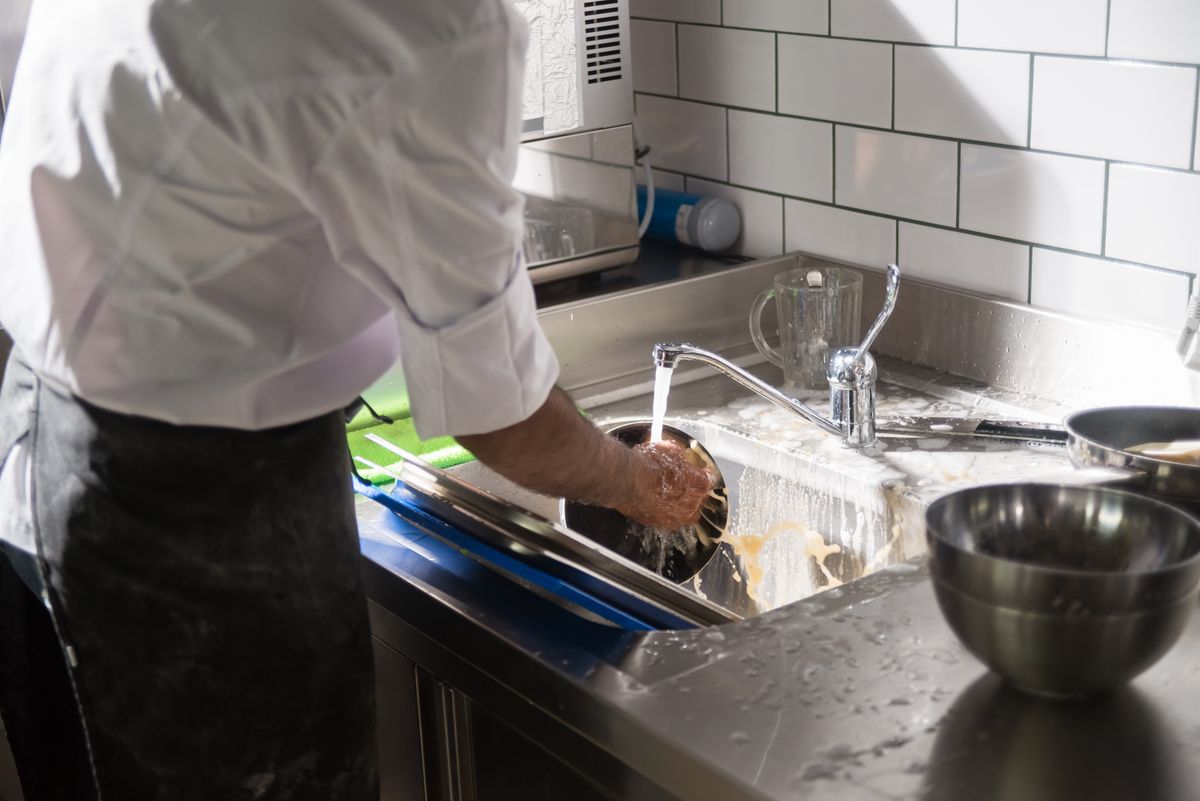
Opening Checklists for Every Commercial Food Operation
Every commercial kitchen should begin each operating day using documented opening procedures.
Restaurant Operations
- Full-service restaurants
- Quick-service restaurants
- Fine dining establishments
- Ghost kitchens
- Food trucks
Institutional Kitchens
- Hotel kitchens
- School cafeterias
- Hospital kitchens
- Corporate dining facilities
- Entertainment venues
Specialized Food Facilities
- Catering facilities
- Food production facilities
- Commissary kitchens
- Multi-location operations
- High-volume food service
What Should Be Included Before Every Shift?
A complete opening checklist should verify commercial kitchen sanitation, equipment readiness, food safety, employee readiness, and documentation.
Commercial Kitchen Sanitation
- Prep tables cleaned
- Food-contact surfaces sanitized
- Floors cleaned
- Floor drains inspected
- Waste containers emptied
Equipment Readiness
- Fryers inspected
- Flat grills cleaned
- Charbroilers verified
- Ovens operational
- Steam tables functioning
- Refrigeration operating correctly
- Ice machines clean
Food Safety
- Refrigeration temperatures verified
- Freezer temperatures confirmed
- Product labels checked
- Date markings reviewed
- Sanitizer concentration verified
Employee Readiness
- Handwashing stations stocked
- Soap available
- Paper towels replaced
- Gloves available
- Cleaning supplies organized
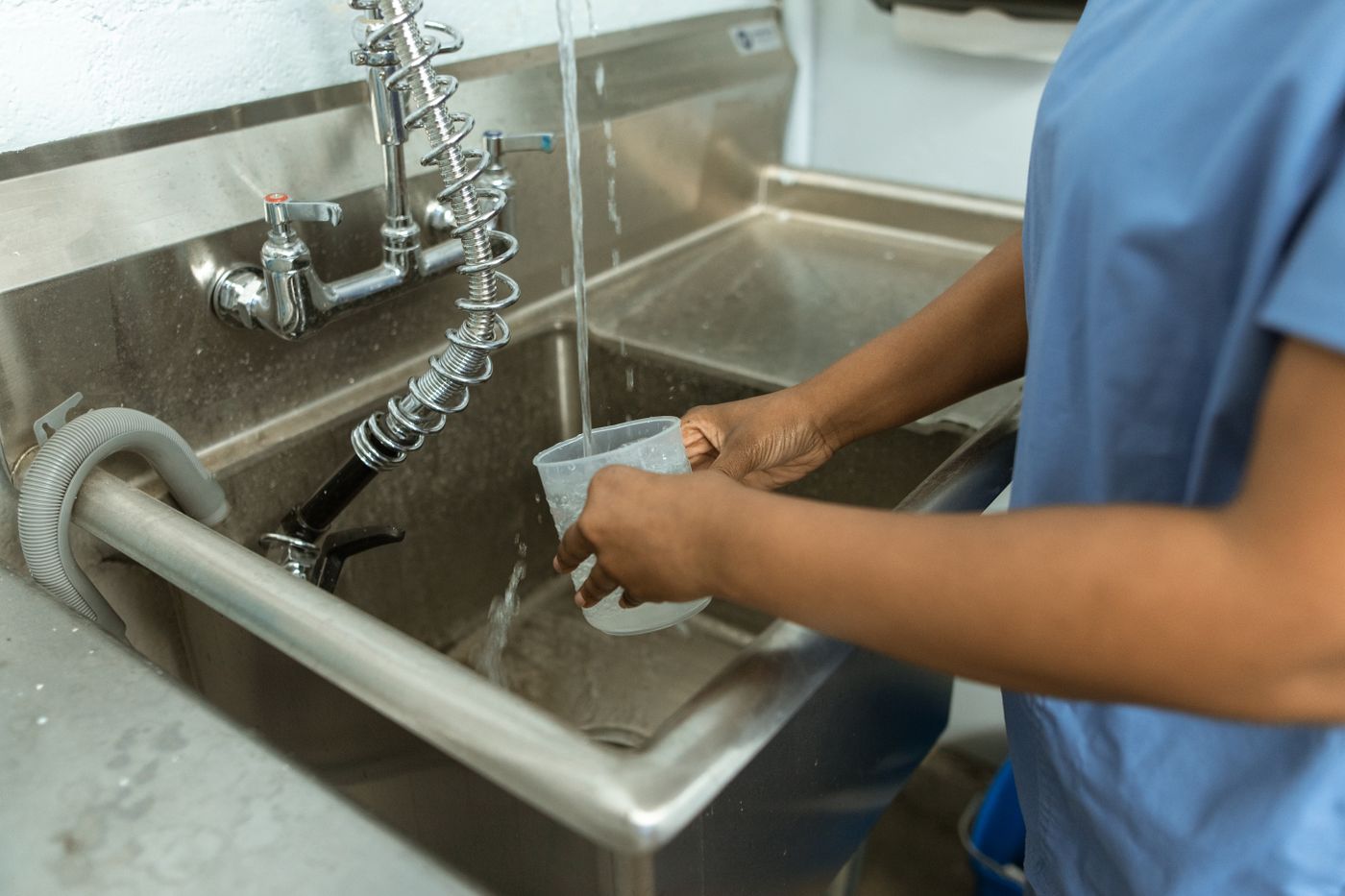
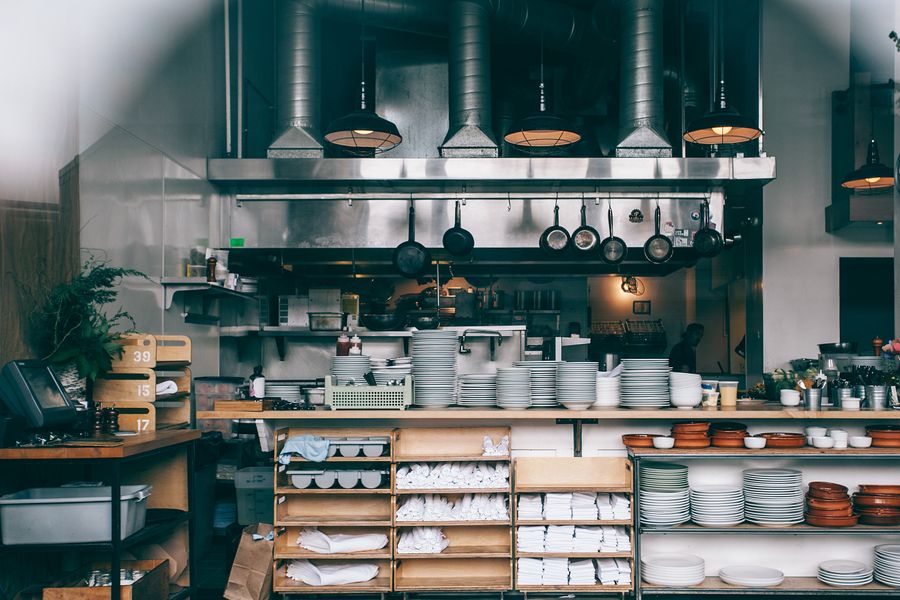
Commercial Kitchen Opening Inspection Areas
Cooking Equipment Inspection
Visually inspect fryers, flat grills, charbroilers, ovens, steam kettles, steam tables, salamanders, mixers, slicers, food processors, reach-in coolers, and walk-in coolers. Verify cleanliness, operating condition, grease buildup, and visible damage.
Food-Contact Surface Verification
Inspect stainless steel prep tables, cutting boards, prep sinks, storage containers, utensils, mixer attachments, beverage stations, and ice-machine contact surfaces before each shift.
Refrigeration and Cold Storage
Verify cooler and freezer temperatures, door gaskets, shelf cleanliness, product organization, date labels, spills, condensation, and proper storage conditions.
Floors and Floor Drains
Inspect kitchen flooring, walkways, drains, drain covers, standing water, grease accumulation, slip hazards, and grout condition before production begins.
Hood and Exhaust System
Verify hood canopy cleanliness, filter condition, grease collection cups, visible grease accumulation, and accessible exhaust components.
Dry Storage
Confirm food is stored off the floor, inventory is organized, product rotation is followed, chemicals remain separated, packaging is intact, and pest-prevention conditions are maintained.
Cleaning Supplies and Chemicals
Verify approved sanitizers, degreasers, cleaning cloths, mop buckets, floor equipment, gloves, safety labels, and chemical storage cabinets are available and organized.
Opening Documentation
Complete temperature logs, sanitation checks, equipment observations, corrective actions, and management approval before authorizing food production.
Restaurant Kitchen Opening Workflow
A structured opening process improves consistency across all employees and operating shifts.
Restaurant Kitchen Opening Checklist
Daily Opening Procedures vs. Professional Commercial Kitchen Cleaning
| Daily Opening Procedures | Professional Cleaning Services |
|---|---|
| Equipment inspection | Commercial kitchen deep cleaning |
| Surface sanitation | Restaurant degreasing |
| Temperature verification | Commercial hood cleaning |
| Floor inspection | Kitchen exhaust cleaning |
| Operational readiness | Commercial floor restoration |
| Daily food safety checks | Preventive maintenance services |
Daily inspections maintain operational readiness, while professional cleaning removes heavy grease accumulation, carbon deposits, and hidden contamination.
Evaluate Your Kitchen Before the Next Shift or Inspection
Use the Restaurant Health Inspection Readiness Calculator to review key sanitation and operational conditions, identify possible risks, and determine which corrective actions may require priority.
Services That Support Daily Kitchen Operations
A complete sanitation program combines employee opening procedures with scheduled professional services that address heavy grease, hidden contamination, and difficult-to-access areas.
Standards Supported by an Opening Checklist
Daily verification supports food safety, employee hygiene, sanitation, preventive maintenance, and health inspection readiness.
Restaurant Kitchen Opening Checklist FAQs
What is a restaurant kitchen opening checklist?
A restaurant kitchen opening checklist is a standardized daily inspection used before food preparation begins to verify sanitation, equipment readiness, refrigeration, food safety, employee hygiene, and operational conditions.
What should be checked before opening a commercial kitchen?
Restaurants should inspect cooking equipment, food-contact surfaces, refrigeration temperatures, floors, floor drains, hood systems, storage areas, cleaning supplies, handwashing stations, and sanitation documentation before beginning food production.
Why is a kitchen opening checklist important?
A documented checklist improves consistency, supports food safety, reduces contamination risks, strengthens employee accountability, and helps maintain health inspection readiness.
Does a kitchen opening checklist replace professional commercial kitchen cleaning?
No. Daily opening inspections verify operational readiness, while commercial kitchen deep cleaning, restaurant degreasing, hood cleaning, kitchen exhaust cleaning, and commercial floor cleaning remove accumulated grease and contamination that routine employee cleaning cannot fully eliminate.
How often should a restaurant complete an opening checklist?
The checklist should be completed before every operating shift to confirm that the commercial kitchen is clean, sanitary, organized, and ready for safe food preparation.