


Restaurant Closing Cleaning Checklist for Commercial Kitchen Sanitation
Establish a consistent end-of-day cleaning procedure for equipment, food-contact surfaces, refrigeration, floors, drains, storage areas, hood systems and waste-handling zones.
A restaurant closing cleaning checklist is a documented end-of-shift sanitation procedure that ensures a commercial kitchen is cleaned, sanitized, inspected and prepared for the next operating day.
It establishes standardized cleaning procedures for food-contact surfaces, cooking equipment, refrigeration, floors, floor drains, hood systems, storage areas, employee workstations and waste-handling areas.
A structured closing checklist reduces contamination risks, improves food safety, supports health inspection readiness and creates consistent sanitation practices across every shift.
What Is a Restaurant Closing Cleaning Checklist?
A restaurant closing cleaning checklist is a standardized end-of-day procedure completed after food service ends. It verifies that commercial kitchen equipment, food-contact surfaces, refrigeration, storage areas, floors, floor drains, sanitation stations and employee work areas are cleaned and prepared for the next shift.
Daily closing procedures support food safety, reduce grease accumulation, improve operational consistency and help restaurants comply with the Illinois Food Code and local health department sanitation requirements.
Why Every Restaurant Needs a Closing Cleaning Checklist
Commercial kitchens accumulate grease, food residue, moisture, smoke and bacteria throughout daily operations. Contamination left overnight can increase sanitation risks and make routine maintenance more difficult.
Improved food safety
Consistent kitchen sanitation
Reduced grease accumulation
Improved inspection readiness
Cleaner food-contact surfaces
Better employee accountability
Reduced cross-contamination risks
Improved preventive maintenance
Better sanitation documentation
More efficient daily startup
Who Should Use a Restaurant Closing Cleaning Checklist?
Every commercial food operation benefits from standardized end-of-day sanitation procedures.

What Is Included in a Restaurant Closing Cleaning Checklist?
01 Kitchen Sanitation
- Food-contact surface sanitation
- Prep table cleaning
- Floor cleaning
- Floor drain sanitation
- Waste removal
02 Equipment Cleaning
- Fryers
- Flat grills
- Charbroilers
- Ovens and steam tables
- Refrigeration and ice machines
03 Food Safety
- Product storage verification
- Date-label review
- Refrigeration temperature checks
- Sanitizer concentration verification
04 Closing Operations
- Handwashing station cleaning
- Chemical storage verification
- Cleaning equipment organization
- Closing documentation
- Final kitchen inspection
Commercial Kitchen Areas That Require Closing Attention
Closing procedures should follow a clear sequence and assign responsibility for each area of the kitchen.
Commercial Kitchen Equipment Cleaning
Cooking equipment should be cleaned after every production period. Grease, food residue and carbon deposits should be removed from accessible surfaces before the kitchen closes.
- Fryers and flat grills
- Charbroilers and ovens
- Steam kettles and steam tables
- Salamanders
- Mixers and food processors
- Meat slicers
- Reach-in coolers
Food-Contact Surface Sanitation
Every food-contact surface should be cleaned and sanitized before employees leave. Use approved sanitizers according to manufacturer directions and applicable food-safety requirements.
- Stainless steel prep tables
- Cutting boards and prep sinks
- Food containers and utensils
- Mixer attachments
- Beverage stations
- Ice-machine contact areas
Refrigeration and Cold Storage Procedures
Cold storage must remain clean, protected and organized overnight. Consistent refrigeration management supports safe food storage and reduces product waste.
- Verify walk-in cooler temperatures
- Check reach-in cooler temperatures
- Confirm freezer temperatures
- Review product organization and date labels
- Clean shelves and remove spills
- Inspect door gaskets
- Verify food protection
Restaurant Floor and Floor Drain Cleaning
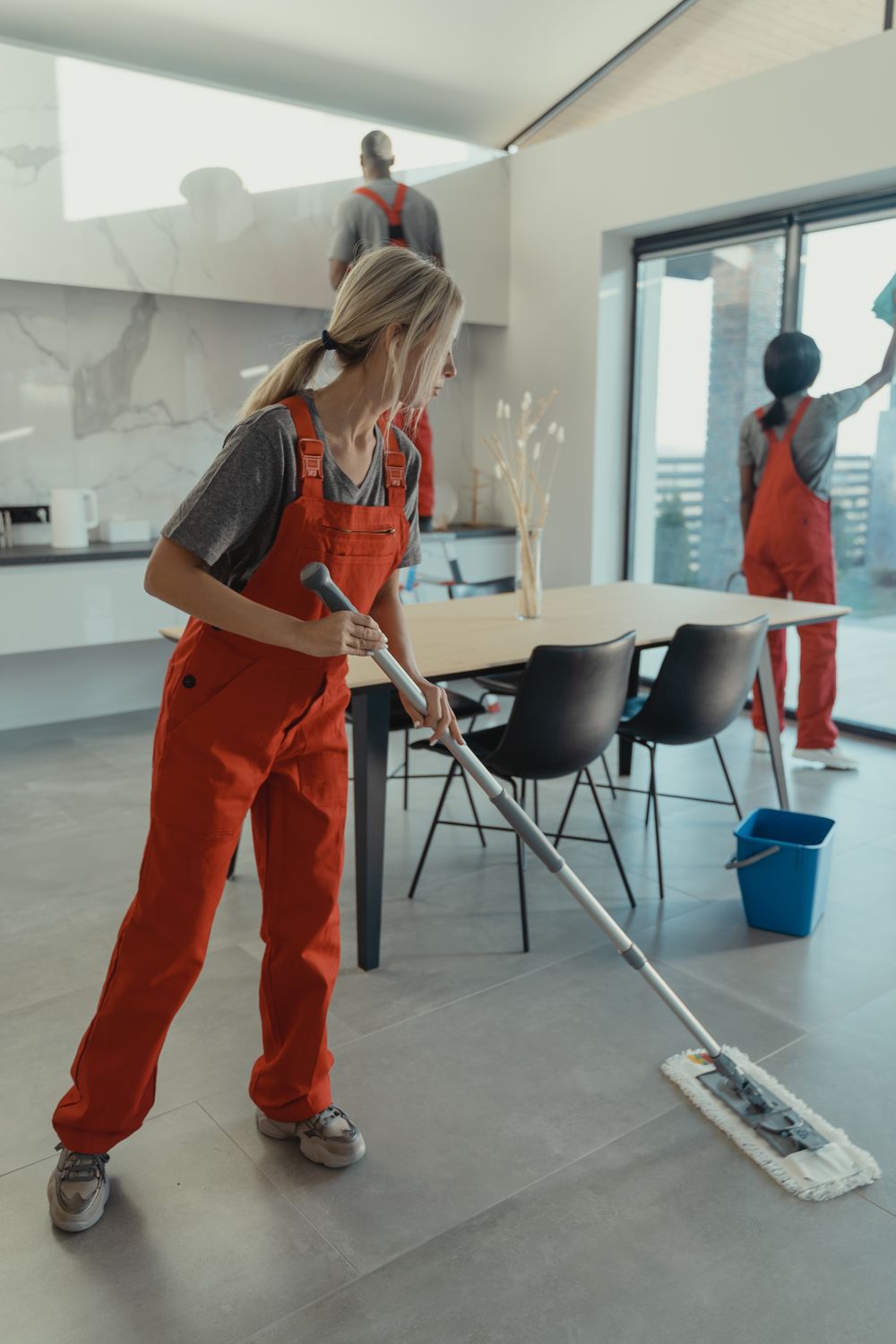
Restaurant floors should be completely cleaned before closing. Scheduled professional floor cleaning should support daily employee cleaning by removing embedded grease from grout and hard surfaces.
- Sweep loose debris
- Apply an appropriate commercial degreaser
- Mop or scrub flooring
- Remove visible grease accumulation
- Clean floor drains and drain covers
- Eliminate standing water
- Inspect employee walkways
Hood System and Kitchen Exhaust Inspection
Commercial kitchen hood systems should receive a visual inspection during closing. Daily inspections identify concerns early, while scheduled professional service removes grease that routine cleaning cannot reach.
- Inspect the hood canopy
- Check hood-filter condition
- Empty or inspect grease collection cups
- Identify visible grease accumulation
- Review accessible exhaust components
Dry Storage and Chemical Storage
Proper food and chemical storage reduces contamination risks, supports pest prevention and improves operational efficiency.
- Keep food stored off the floor
- Organize shelving
- Separate chemicals from food
- Check packaging integrity
- Rotate inventory correctly
- Maintain pest-prevention measures
Routine Cleaning Must Address Visible and Hidden Contamination
Equipment surfaces, floors, drains and sanitation stations should be evaluated before the final closing log is approved.

Restaurant Closing Cleaning Workflow
A standardized workflow creates consistency and helps employees complete sanitation tasks in the correct order.
Store Food
Protect, label and refrigerate food correctly.
Clean Equipment
Remove residue from accessible cooking equipment.
Sanitize Surfaces
Clean and sanitize all food-contact surfaces.
Degrease Floors
Remove debris, grease and food residue.
Clean Drains
Clean drain covers and remove standing water.
Check Refrigeration
Verify temperatures, labels and storage order.
Remove Waste
Empty trash and clean waste-handling areas.
Organize Storage
Rotate inventory and secure dry goods.
Secure Chemicals
Store chemicals away from food and utensils.
Document and Secure
Complete the closing log and final inspection.
Restaurant Closing Cleaning Checklist
Complete and document every item before employees leave the facility.
Commercial Kitchen Closing Log
Daily cleaning, sanitation and operational verification
Daily Closing Procedures vs. Professional Commercial Kitchen Cleaning
Daily procedures maintain routine cleanliness. Professional cleaning removes heavy grease accumulation and contamination from difficult-to-access areas.
| Daily Closing Procedures | Professional Cleaning Services |
|---|---|
| Equipment cleaning | Commercial kitchen deep cleaning |
| Surface sanitation | Restaurant degreasing |
| Refrigeration inspection | Hood cleaning |
| Routine floor cleaning | Kitchen exhaust cleaning |
| Closing verification | Commercial floor cleaning |
| Routine sanitation | Preventive maintenance cleaning |
Professional Cleaning Services That Support Closing Procedures
A complete sanitation program combines employee cleaning with scheduled professional services that address contamination beyond the scope of routine closing work.
Commercial Kitchen Deep Cleaning
Detailed cleaning of equipment, walls, surfaces and hard-to-reach areas.
Restaurant Degreasing
Removal of heavy grease from equipment, surfaces, floors and service areas.
Hood Cleaning
Professional cleaning of hood-system components exposed to grease accumulation.
Kitchen Exhaust Cleaning
Cleaning support for accessible exhaust-system components and grease pathways.
Commercial Floor Cleaning
Mechanical floor cleaning designed to remove embedded grease and residue.
Tile and Grout Cleaning
Deep cleaning for grout lines and textured flooring that routine mopping misses.
Walk-In Cooler Detailing
Cleaning of shelving, floors, walls, doors and accessible cold-storage surfaces.
Equipment Detailing
Detailed cleaning around and beneath accessible commercial kitchen equipment.
Pressure Washing
Commercial cleaning for durable exterior and designated service-area surfaces.
Dumpster Pad Cleaning
Removal of grease, residue and waste contamination from refuse areas.
Exterior Service-Area Cleaning
Cleaning for loading, delivery and waste-handling areas around the restaurant.
Compliance Standards
A documented closing checklist supports consistent sanitation, cross-contamination prevention, preventive maintenance and health inspection preparation.
- Illinois Food Code
- FDA Food Code principles
- Local health department requirements
- NFPA 96 recommendations
- Commercial kitchen sanitation
- Food-safety compliance
- Cross-contamination prevention
- Preventive maintenance programs
Restaurant Closing Cleaning Checklist FAQ
What is a restaurant closing cleaning checklist?
It is a standardized end-of-day sanitation procedure used to verify commercial kitchen cleanliness, equipment sanitation, refrigeration, food storage and operational readiness before the facility closes.
What should be cleaned every night?
Cooking equipment, food-contact surfaces, prep tables, refrigeration areas, floors, floor drains, storage areas, waste containers, handwashing stations and sanitation tools should be cleaned before closing.
Why is a closing cleaning checklist important?
It improves food safety, creates consistent sanitation procedures, reduces grease accumulation, strengthens employee accountability and supports health inspection readiness.
Does a closing checklist replace professional commercial kitchen cleaning?
No. Daily closing procedures maintain routine sanitation. Commercial kitchen deep cleaning, restaurant degreasing, hood cleaning, kitchen exhaust cleaning and commercial floor cleaning address heavy accumulation and inaccessible areas that routine employee cleaning cannot fully restore.
How often should restaurants complete a closing cleaning checklist?
The checklist should be completed at the end of every operating day to ensure the commercial kitchen is clean, organized, sanitary and prepared for the next production cycle.
Support Daily Closing Procedures With Professional Kitchen Cleaning
Remove grease accumulation, embedded floor contamination and difficult-to-reach residue with scheduled commercial kitchen cleaning services throughout Chicago and surrounding Illinois communities.