


Health Inspection Preparation Timeline
A structured 30-day restaurant preparation plan for commercial kitchen cleaning, equipment sanitation, employee readiness, facility maintenance, and health inspection compliance.
Prepare Before Sanitation Problems Become Violations
A Health Inspection Preparation Timeline is a structured schedule that helps restaurants prepare for local health department inspections by organizing commercial kitchen cleaning, hood cleaning, kitchen exhaust cleaning, equipment sanitation, food safety verification, employee readiness, and facility maintenance.
Following a systematic timeline reduces sanitation deficiencies, improves food safety, and increases the likelihood of a successful health inspection.
Restaurant health inspections evaluate sanitation, food handling, facility maintenance, equipment cleanliness, employee hygiene, and overall compliance with local and state food-safety regulations.
Restaurants that prepare using a structured timeline can identify deficiencies before inspectors arrive, allowing corrective actions to be completed without disrupting operations.
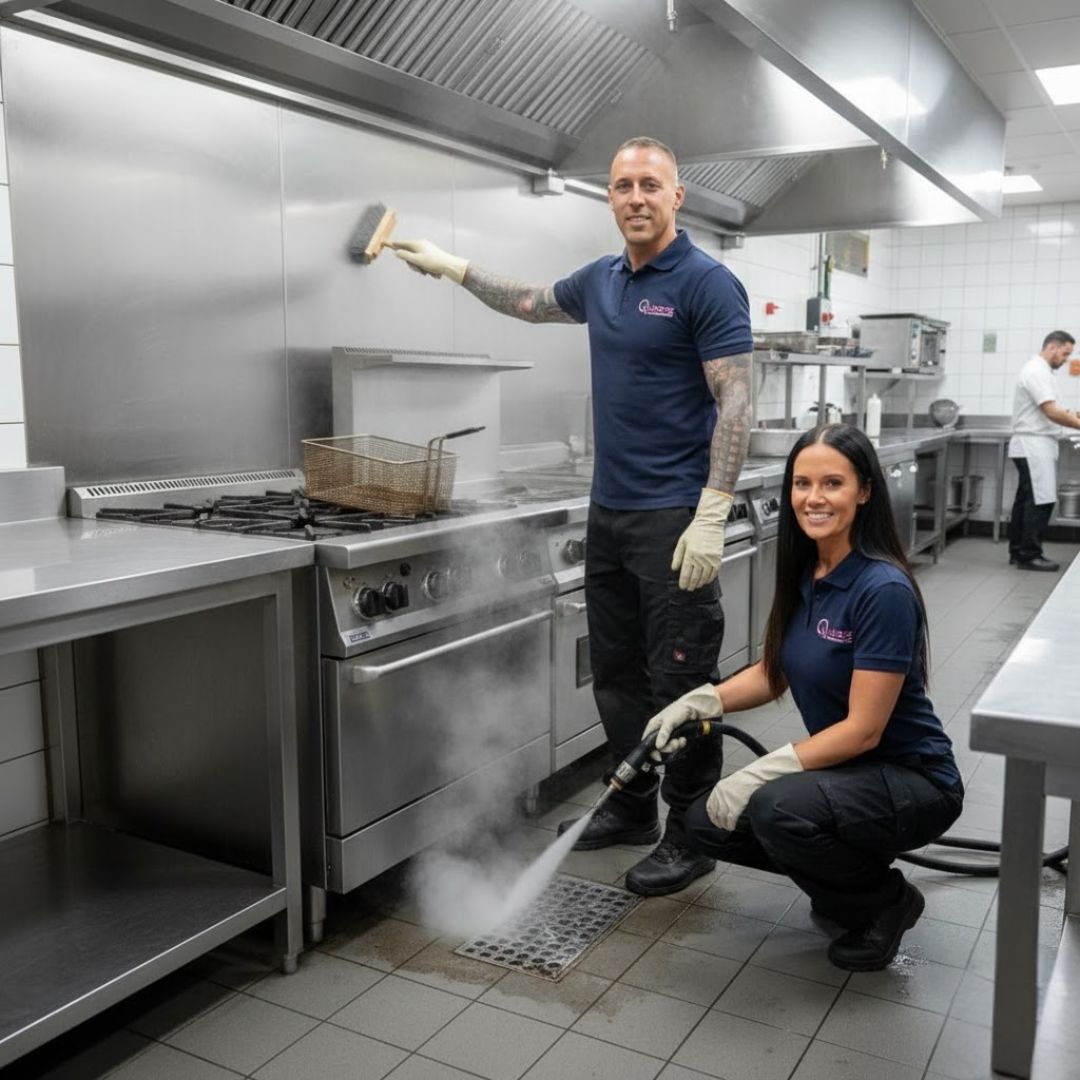
Clean Wash Remove provides professional health inspection preparation services throughout Chicago and Illinois, including commercial kitchen deep cleaning, restaurant kitchen degreasing, hood cleaning, kitchen exhaust cleaning, floor cleaning, pressure washing, and sanitation services.
Why a Health Inspection Preparation Timeline Matters
Inspection preparation should begin weeks before the expected inspection rather than the day before.
A structured timeline allows restaurant owners and managers to organize professional cleaning, equipment maintenance, employee training, sanitation reviews, and operational inspections into manageable phases.
Restaurants throughout Chicago, Cook County, DuPage County, and Illinois benefit from early preparation because inspectors evaluate normal operating conditions rather than temporary cleaning efforts.
Consistent preparation improves food safety, supports regulatory compliance, reduces grease accumulation, and minimizes the likelihood of sanitation violations.
Who Should Follow an Inspection Preparation Timeline?
Every commercial food establishment should maintain inspection readiness throughout the year.
Full-Service Restaurants
Fast-Food Restaurants
Commercial Kitchens
Hotel Kitchens
Hospital Food Service
School Cafeterias
Universities
Catering Companies
Ghost Kitchens
Food Halls
Breweries and Bakeries
Corporate Cafeterias
Senior Living Communities
Food Manufacturing Facilities
Restaurant Health Inspection Preparation Timeline
Complete major cleaning and corrective work early, then maintain consistent sanitation standards through inspection day.
30 Days Before the Health Inspection
Review previous inspection reports, inspect kitchen equipment, evaluate sanitation procedures, and schedule professional commercial kitchen cleaning.
Days
Days
14 Days Before the Inspection
Correct the sanitation and maintenance deficiencies identified during the initial facility assessment.
Verify that lighting, plumbing, refrigeration, ventilation equipment, and handwashing stations are functioning properly.
7 Days Before the Inspection
One week before the inspection is an appropriate time to complete professional restaurant deep cleaning.
Days
Days
Three Days Before the Inspection
Shift the focus from deep cleaning to operational consistency and employee readiness.
One Day Before the Inspection
Confirm that sanitation and operational procedures remain consistent. Major cleaning projects should already be complete.
Day
Of
Inspection Day Best Practices
Health inspectors evaluate normal operating conditions rather than temporary cleaning efforts.
Commercial Kitchen Cleaning Before an Inspection
Professional cleaning targets grease, food residue, equipment, floors, ventilation systems, and other inspection-sensitive areas.
Commercial Kitchen Cleaning
Remove grease, carbon deposits, food residue, bacteria, and contaminants from cooking equipment, preparation areas, shelving, stainless steel surfaces, and storage areas.
Restaurant Hood Cleaning
Degrease hood canopies, filters, accessible ductwork, plenums, and exhaust components to improve cleanliness and ventilation.
Kitchen Exhaust Cleaning
Remove accumulated grease from accessible exhaust components to support airflow and safer kitchen operation.
Equipment Degreasing
Clean fryers, grills, ovens, charbroilers, steam tables, refrigerators, freezers, and food-preparation equipment.
Floor Degreasing
Remove grease, oil, food residue, and contaminants from commercial kitchen floors, tile, grout, and work areas.
Sanitation Preparation
Address food-contact surfaces, coolers, storage rooms, drains, walls, ceilings, restrooms, and waste areas.
Areas Health Inspectors Commonly Evaluate
Professional restaurant cleaning helps maintain these areas according to commercial sanitation standards.
Routine Cleaning vs. Health Inspection Preparation
Inspection preparation combines daily sanitation with professional deep cleaning and facility-wide verification.
Common Health Inspection Violations
Routine professional cleaning and consistent sanitation procedures can reduce many cleaning-related deficiencies.
Restaurant Health Inspection Preparation Checklist
Professional inspection preparation combines commercial kitchen cleaning, equipment degreasing, sanitation, maintenance review, and a final facility inspection.
Benefits of Professional Inspection Preparation
Professional restaurant cleaning supports safer operations, cleaner facilities, and stronger inspection readiness.
Health Inspection Preparation Throughout Chicago & Illinois
Clean Wash Remove provides professional health inspection preparation services throughout Chicago and surrounding Illinois communities.
Services include commercial kitchen cleaning, restaurant kitchen degreasing, hood cleaning, kitchen exhaust cleaning, restaurant floor cleaning, commercial pressure washing, and comprehensive sanitation services.
Schedule Professional Restaurant Inspection Preparation
Address grease accumulation, equipment sanitation, floors, drains, hood systems, exhaust components, storage areas, and other inspection-sensitive conditions.
Health Inspection Preparation FAQ
Direct answers about preparation timing, professional cleaning, and inspection-sensitive areas.
What is a health inspection preparation timeline?
A health inspection preparation timeline is a structured schedule that organizes cleaning, sanitation, maintenance, and food-safety activities before a restaurant health inspection.
When should restaurants begin preparing?
Preparation should begin approximately 30 days before an inspection to allow time for commercial kitchen cleaning, equipment maintenance, sanitation improvements, and operational reviews.
What cleaning services are included?
Inspection preparation commonly includes commercial kitchen deep cleaning, hood cleaning, exhaust cleaning, equipment degreasing, floor cleaning, drain sanitation, wall cleaning, ceiling cleaning, and food-contact surface sanitation.
Why is commercial kitchen deep cleaning important?
Deep cleaning removes grease, food residue, bacteria, and contaminants that routine daily cleaning may not eliminate, improving sanitation and inspection readiness.
What areas do inspectors examine most frequently?
Inspectors commonly evaluate cooking equipment, hood systems, food-contact surfaces, refrigeration units, handwashing stations, floor drains, storage rooms, restrooms, and waste-management areas.
How often should restaurants schedule deep cleaning?
Frequency depends on cooking volume, menu type, grease production, equipment usage, and applicable local requirements. High-volume kitchens generally need professional cleaning more frequently.
Professional cleaning supports sanitation and inspection preparation but does not guarantee a specific inspection result. Restaurant operators remain responsible for correcting cited deficiencies and maintaining required food-safety procedures.