

Kitchen Exhaust Cleaning Professional Services for Lisle IL Business Owners

Commercial kitchens face a constant battle against grease buildup in their exhaust systems, creating serious fire hazards and compromising air quality. Clean Wash Remove & Hood Cleaning provides comprehensive kitchen exhaust cleaning services in Lisle, IL and surrounding areas, helping business owners maintain safe, compliant operations.
Our professional cleaning services remove dangerous grease accumulation from your entire exhaust system, significantly reducing fire risks while ensuring your kitchen meets NFPA safety standards. Grease and particles naturally collect in exhaust ductwork over time, creating conditions that can lead to costly fires and health code violations.
We understand the challenges restaurant managers and commercial kitchen operators face in maintaining clean exhaust systems. Our article covers the essential benefits of regular cleaning, the serious risks of neglecting maintenance, our proven cleaning process, and answers to common questions business owners have about kitchen exhaust services.
Key Benefits of Regular Kitchen Exhaust Cleaning
Improved Fire Safety
Grease accumulation in exhaust systems creates the primary fire hazard in commercial kitchens. We remove these flammable deposits that can ignite from high temperatures or cooking flames.
Fire risk reduction occurs through:
- Elimination of grease buildup in ducts and hoods
- Removal of combustible particles from fan assemblies
- Cleaning of grease traps and collection points
Insurance companies recognize properly maintained exhaust systems. Many insurers offer premium reductions for businesses with documented cleaning schedules. Fire department inspections focus heavily on exhaust system cleanliness.
Kitchen fires spread rapidly through contaminated ductwork. Clean systems contain fires to their origin point rather than allowing flames to travel through grease-lined passages. This containment saves property and prevents total kitchen shutdowns.
Enhanced Ventilation Efficiency
Clean exhaust systems move air effectively and maintain proper kitchen temperatures. Grease buildup restricts airflow and forces equipment to work harder.
Efficiency improvements include:
- Increased airflow capacity by 15-30% after professional cleaning
- Reduced energy consumption from fans operating at optimal levels
- Better smoke and odor removal throughout the kitchen space
Clogged systems create negative pressure issues that affect cooking equipment performance. Gas appliances may not burn efficiently when ventilation is compromised. We restore proper air circulation that keeps kitchens comfortable for staff.
Fan motors last longer when not straining against restricted airflow. Clean systems also reduce the load on HVAC equipment that must compensate for poor ventilation.
Compliance With Local Health Codes
Health departments require documented exhaust cleaning schedules for license renewals. We provide certificates that demonstrate compliance with NFPA 96 standards and local regulations.
Compliance benefits:
- Avoid violation fines ranging from $500-$2,500 per incident
- Maintain operating licenses without interruption
- Pass health inspections consistently
Lisle and surrounding municipalities enforce strict cleaning frequency requirements. High-volume kitchens need quarterly cleaning while moderate-use facilities require semi-annual service.
We maintain detailed cleaning records that inspectors accept as proof of compliance. Our technicians understand local code variations and ensure your system meets all applicable standards.
Prolonged Equipment Lifespan
rotect fan motors, ductwork, and control systems from premature failure.
Equipment protection includes:
- Fan motor maintenance that extends life by 40-60%
- Ductwork preservation preventing costly replacements
- Control system protection from grease infiltration
Replacement exhaust fans cost $2,000-$8,000 depending on size and specifications. Ductwork replacement can exceed $15,000 for complex installations. Our cleaning services cost significantly less than these replacements.
We inspect components during each cleaning to identify wear patterns early. This proactive approach allows for planned maintenance rather than emergency repairs during peak business hours.
Risks of Neglecting Kitchen Exhaust Cleaning
Failing to maintain your kitchen exhaust system creates serious hazards that threaten your business operations, staff safety, and bottom line. These risks range from catastrophic fires to escalating utility bills and compromised air quality.
Increased Fire Hazard
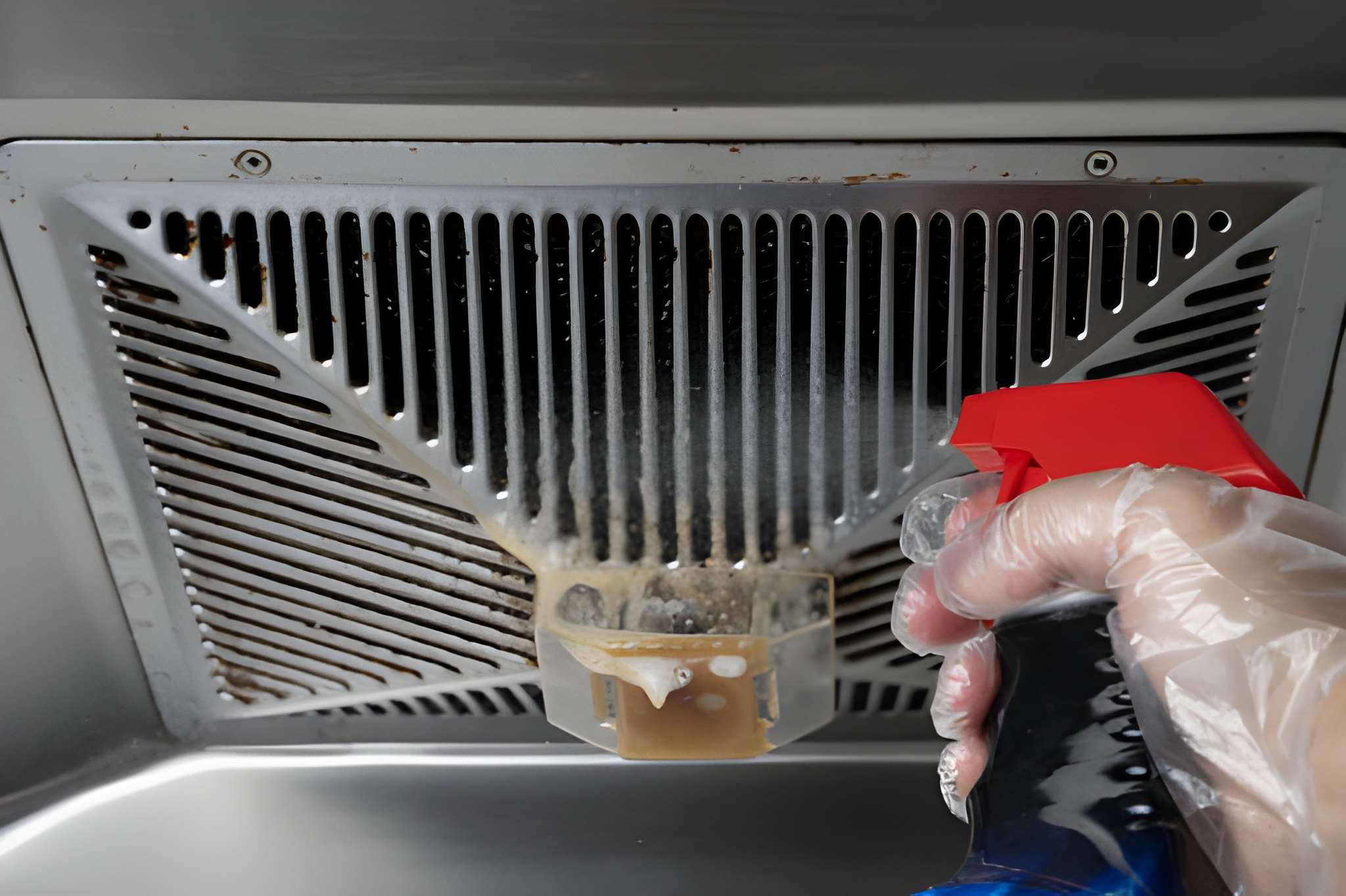
Grease buildup in commercial kitchen exhaust systems is a major fire hazard, as accumulated grease in hoods, ducts, and fans can ignite from sparks, flare-ups, overheated equipment, or electrical malfunctions, spreading rapidly through ductwork and often bypassing sprinklers. These fires cause extensive damage, with restaurant fires averaging $246 million in property losses annually, and can force businesses to close for weeks or months. Improperly maintained exhaust systems may also lead to denied insurance claims, leaving owners responsible for repair costs, lost revenue, and potential legal liabilities.
Higher Energy Costs
Grease-clogged exhaust systems force kitchen equipment and fans to work harder, increasing energy consumption and straining HVAC systems, which leads to poor air circulation and higher utility costs—often 15–30% more. Overworked fans, extended operating times, and increased HVAC load not only waste energy but also cause more frequent repairs and premature equipment failure, resulting in costly emergency service calls and replacements.
Health and Air Quality Issues
Poorly maintained exhaust systems create unhealthy working conditions by failing to remove smoke, fumes, and airborne grease, leading to headaches, respiratory irritation, fatigue, and heat stress for staff. This reduces productivity, increases sick days, and contributes to higher turnover. Dirty systems also allow smoke and odors to reach dining areas, harming your restaurant’s reputation and customer experience, while health inspectors may issue fines, closures, or lower ratings if proper cleaning is not documented.
Why Choose Clean Wash Remove & Hood Cleaning
We are trusted kitchen exhaust cleaning specialists serving Lisle and the greater DuPage County area, with deep knowledge of local health department requirements and regional building codes. Our certified and insured technicians hold NFPA 96 certifications, receive ongoing training, and follow rigorous safety protocols. We provide detailed documentation for compliance, offer flexible scheduling including after-hours and emergency services, and tailor our cleaning approach to businesses of all sizes, ensuring minimal disruption to operations while maintaining consistent, high-quality service.
Our Comprehensive Kitchen Exhaust Cleaning Process
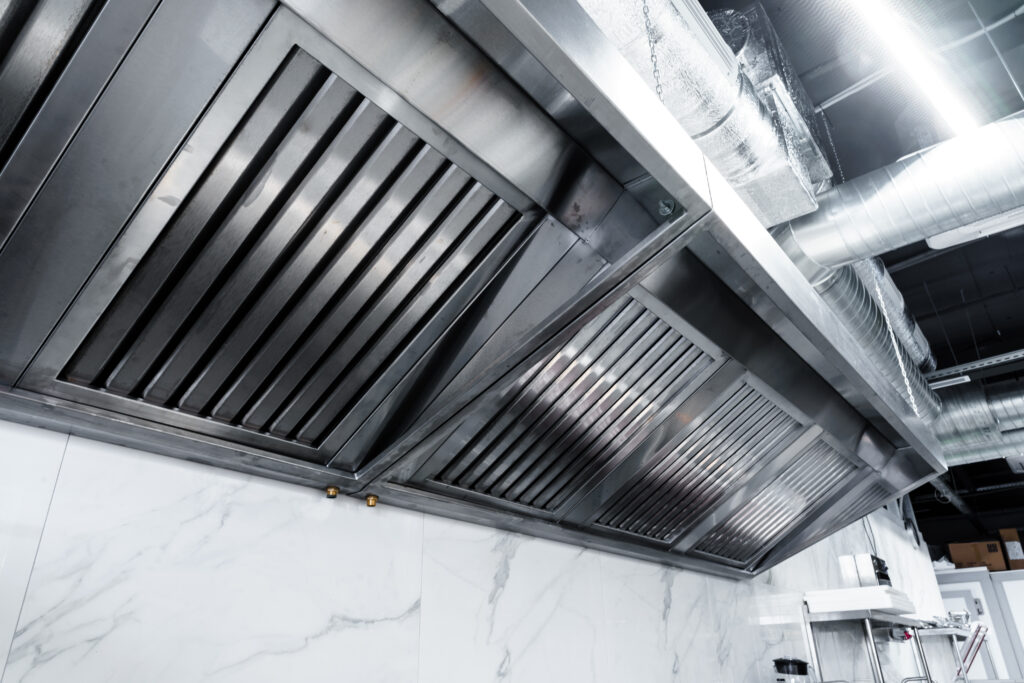
We follow a systematic four-step process that ensures every component of your kitchen exhaust system receives thorough attention. Our certified technicians use specialized equipment and proven techniques to deliver complete grease removal and system restoration.
- Initial Assessment and Inspection
- Thorough Grease Removal
- System Component Cleaning
- Final Quality Check and Documentation
TESTIMONIALS
Trustindex verifies that the original source of the review is Google. Highly recommended!! With reasonable price! The workers are friendly! Will definitely call them again soon!Trustindex verifies that the original source of the review is Google. Clean Wash Remove & Hood Cleaning provides excellent Hood Cleaning services. Professional, reliable, and efficient with a great website and smooth scheduling. Highly recommendedTrustindex verifies that the original source of the review is Google. Jay did an amazing job cleaning and detailing my sons car. We got it from my mom who was a heavy smoker and he was able to get the smell out! Will definitely be doing business with them again!Trustindex verifies that the original source of the review is Google. Clean Wash Remove did a fantastic job! Great customer service and reasonably priced! The work is professionally done and in a timely manner. Will continue to use them for our cleaning needs!Trustindex verifies that the original source of the review is Google. I have a 3 bedroom house and they did it very fast and left it better than new. I used the Scottgurad and had my sofa done. Jay was very professionalGoogle rating score: 4.3 of 5, based on 6 reviews
We Proudly Serve in Naperville, IL and surrounding areas:
Frequently Asked Questions
Business owners often have specific questions about commercial kitchen exhaust cleaning requirements, compliance standards, and maintenance schedules. Understanding these key aspects helps ensure your establishment meets safety regulations while maintaining operational efficiency.
What exactly does commercial kitchen exhaust cleaning involve?
Commercial kitchen exhaust cleaning involves thoroughly cleaning the entire exhaust system from the hood down to the rooftop fan. We remove grease, oil, and debris that accumulate throughout the ductwork, filters, and exhaust components.
Our process includes hot-power washing, steam cleaning, and hand scrubbing all accessible areas. We clean the range hood, vent filters, ductwork, and exhaust fan to eliminate fire hazards and maintain proper ventilation.
How often should a kitchen exhaust system be professionally cleaned?
Cleaning frequency depends on your kitchen’s usage and the type of food preparation. Fast food restaurants and establishments with high-volume frying typically require cleaning every 30 days.
Average restaurants, cafeterias, and hotel kitchens need cleaning every 90 days. Pizza restaurants and establishments with wood-burning ovens require service every 180 days. Kitchens with non-grease producing appliances can extend cleaning intervals to one year.
Are there any regulations or standards that kitchen exhaust cleaning services must adhere to?
Professional kitchen exhaust cleaning services must comply with NFPA 96 standards and local fire codes. These regulations specify cleaning methods, frequency requirements, and documentation procedures.
We follow all applicable safety standards and provide proper certification after each cleaning. Our technicians are trained to meet regulatory requirements and ensure your system passes inspections.
Can improper kitchen exhaust cleaning affect my restaurant's compliance with local fire codes?
Inadequate exhaust system cleaning directly impacts fire code compliance and can result in violations during inspections. Grease buildup in ductwork creates significant fire hazards that inspectors specifically check for.
Non-compliance can lead to fines, forced closures, or insurance claim denials. We ensure your system meets all local fire code requirements and provide documentation for your records.
What benefits does a regular exhaust cleaning schedule offer for my business?
Regular cleaning significantly reduces fire risks by removing combustible grease deposits from your exhaust system. This maintenance also improves air quality and prevents smoke backup in your kitchen.
Clean systems operate more efficiently, reducing energy costs and extending equipment lifespan. You’ll also maintain compliance with insurance requirements and avoid potential liability issues.
How can I determine if my current exhaust cleaning is sufficient for my kitchen's needs?
Visible grease buildup, lingering odors, or smoke backing up into your kitchen indicate insufficient cleaning. We perform thorough inspections to assess your current system condition and cleaning effectiveness.
Our evaluation considers your cooking volume, food types, and equipment usage patterns. We provide recommendations based on your specific operational needs rather than generic schedules.